Caffeine is still caffeine
The delivery format does not erase stimulant sensitivity, sleep effects, anxiety, medication interactions or the need to count total daily intake.
A clear guide to the format, caffeine dose, label language and practical differences between an energy pouch, energy drink, coffee, gum and capsule.
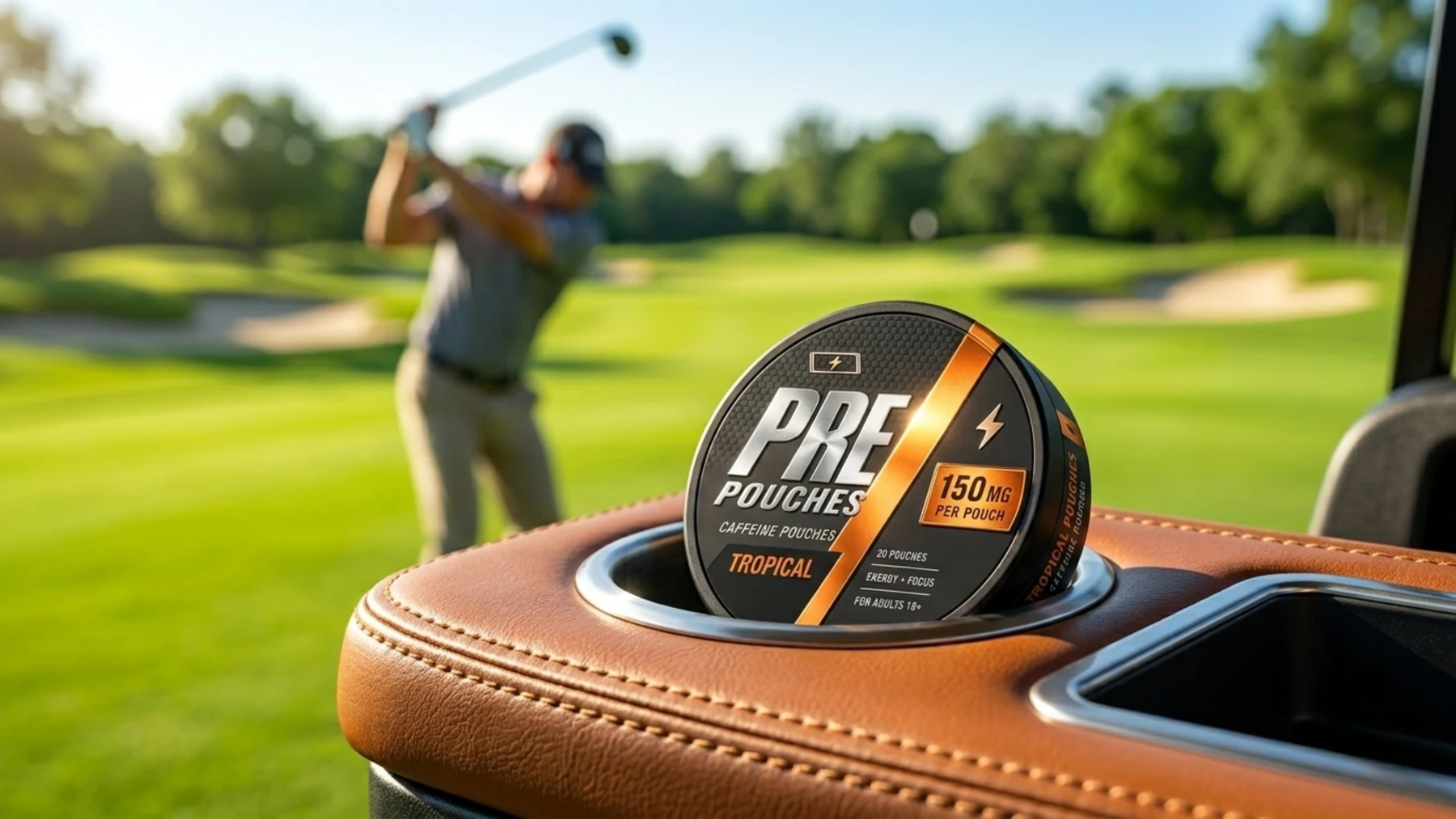
“Energy pouch” is a format description, not a standardized formula. One product may contain caffeine alone; another may pair caffeine with amino acids, vitamins or other stimulants. The label decides what the product actually is.
The delivery format does not erase stimulant sensitivity, sleep effects, anxiety, medication interactions or the need to count total daily intake.
The pouch removes liquid volume, refrigeration, a bottle and the need to finish a drink. That is a convenience distinction, not a health guarantee.
Look for caffeine in milligrams, every additional active, servings per container, directions, age limits and responsible-use warnings.
The most useful comparison is practical. Different formats can all deliver caffeine, but they differ in liquid volume, preparation, portability and how easily the user can see a discrete serving.
Dry, pocketable and used without mixing or drinking.
Caffeine per pouch, other actives, use directions and total daily intake.
Ready-to-drink beverage; can include sugar, sweeteners and additional ingredients.
Caffeine per can and whether the container equals one or multiple servings.
Familiar beverage with caffeine that varies by bean, preparation and serving size.
Cup size and the variability between home, café and bottled products.
Portable chewing format with a labeled serving.
Milligrams per piece, directions and total use.
Compact swallowed format that typically requires a drink.
Milligrams per unit and the same total-intake calculation.
Words such as “clean,” “smooth,” “focus” and “no crash” are marketing language unless tied to a specific, supportable statement. Start with quantities, ingredients, directions and warnings.
Confirm whether the number applies to one pouch, one serving or the full container. Do not estimate strength from flavor, color or product name.
Identify every stimulant, amino acid, vitamin and botanical. A proprietary total does not show how much of each ingredient is present.
Age limits, caffeine sensitivity, pregnancy or nursing guidance, medication considerations and maximum-use directions are part of the product.
PRE POUCHES is developing an energy-and-focus pouch around four disclosed actives. The current launch specification contains 250.25 mg of total actives when B12 is converted from micrograms to milligrams.
Current launch specification, not individualized advice. Final directions, testing, warnings and labeling remain subject to manufacturing validation and regulatory review. See the complete formula page.
An oral pouch should never be identified by shape alone. Caffeine, nicotine and other functional ingredients are different substances with different effects and risk profiles.
Caffeine or another clearly named energy/focus ingredient.
Nicotine, which should be explicitly declared.
Caffeine milligrams, other stimulants, serving directions and caffeine warning.
Nicotine milligrams, nicotine warning and applicable age restrictions.
“Nicotine-free” should appear only when supported by the finished product and label.
“Tobacco-free” does not mean nicotine-free.
The FDA has cited 400 mg per day as an amount not generally associated with negative effects for most adults.[1] Individual sensitivity varies, and 400 mg is not a target or a universal recommendation.
Include coffee, tea, energy drinks, gum, pouches, supplements and relevant medications when calculating daily caffeine.
Caffeine response can vary with habitual intake, timing, genetics, anxiety, sleep and other individual factors.
Do not exceed directions. Children, people who are pregnant or nursing, caffeine-sensitive individuals and people with relevant health concerns should avoid use or seek professional guidance.
These sources provide general caffeine, energy-product and ingredient context. They do not endorse PRE POUCHES.
An energy pouch is a small oral pouch containing caffeine or other functional ingredients. It is used without mixing or drinking, making the format portable and discreet.
No. Both may contain caffeine, but an energy pouch is a dry oral format while an energy drink is a beverage. Ingredients, serving size, sugar and total caffeine vary by product.
There is no standard category dose. Read the amount per pouch on the finished label. The current PRE POUCHES launch specification contains 150 mg of caffeine anhydrous per pouch.
Some oral pouches contain nicotine, while others contain caffeine or different functional ingredients. Check the finished label rather than identifying the product by package shape or the word “pouch.”
“Better” depends on the person and use case. A pouch is more portable and requires no drink. Coffee is familiar and offers a different experience. Caffeine amount, other ingredients, cost, preference and individual response matter more than the format alone.
PRE POUCHES is building a precisely stated energy-and-focus format without the powder, shaker or full-size drink. Join first access while the finished product moves through validation.